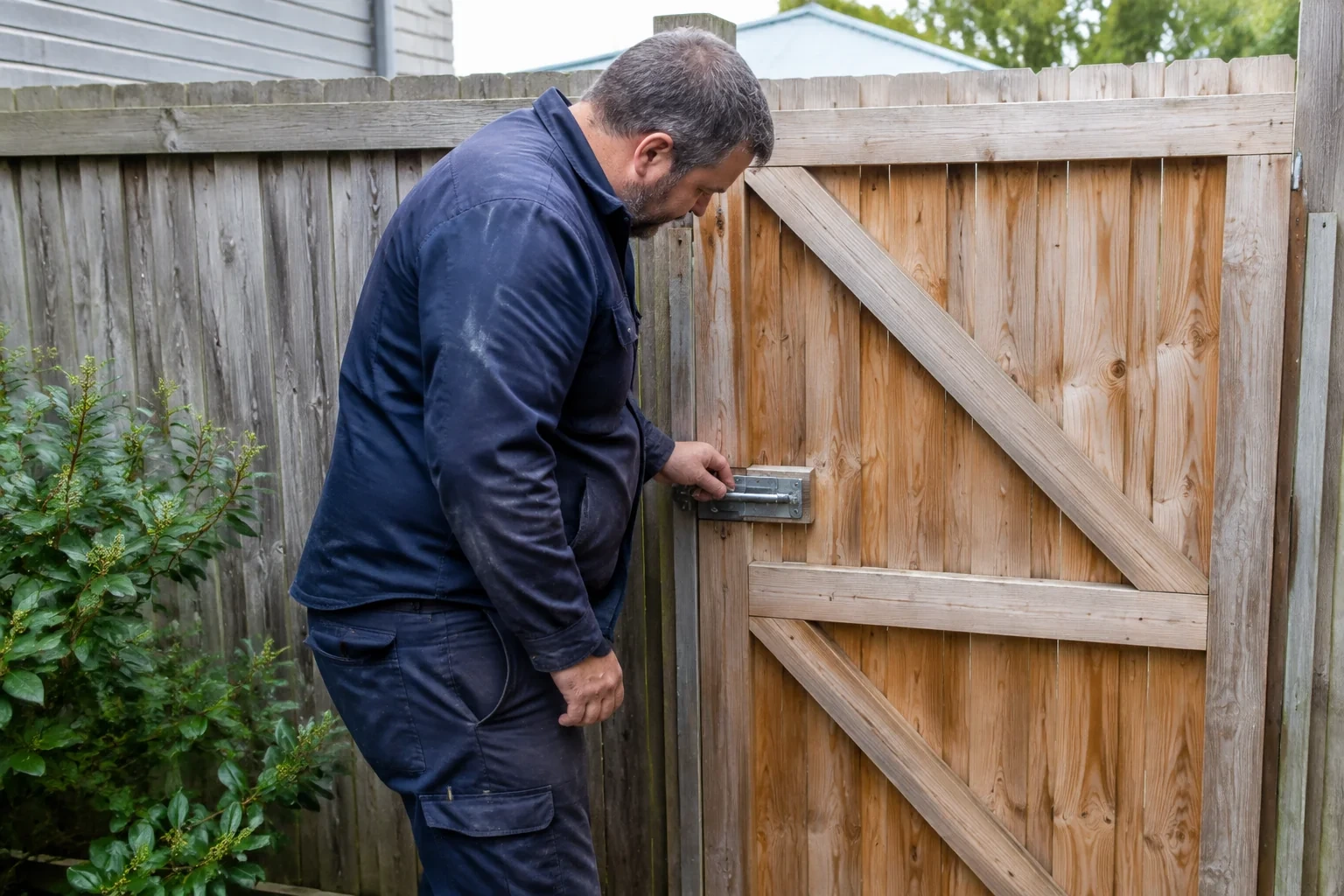
Recognize the problem
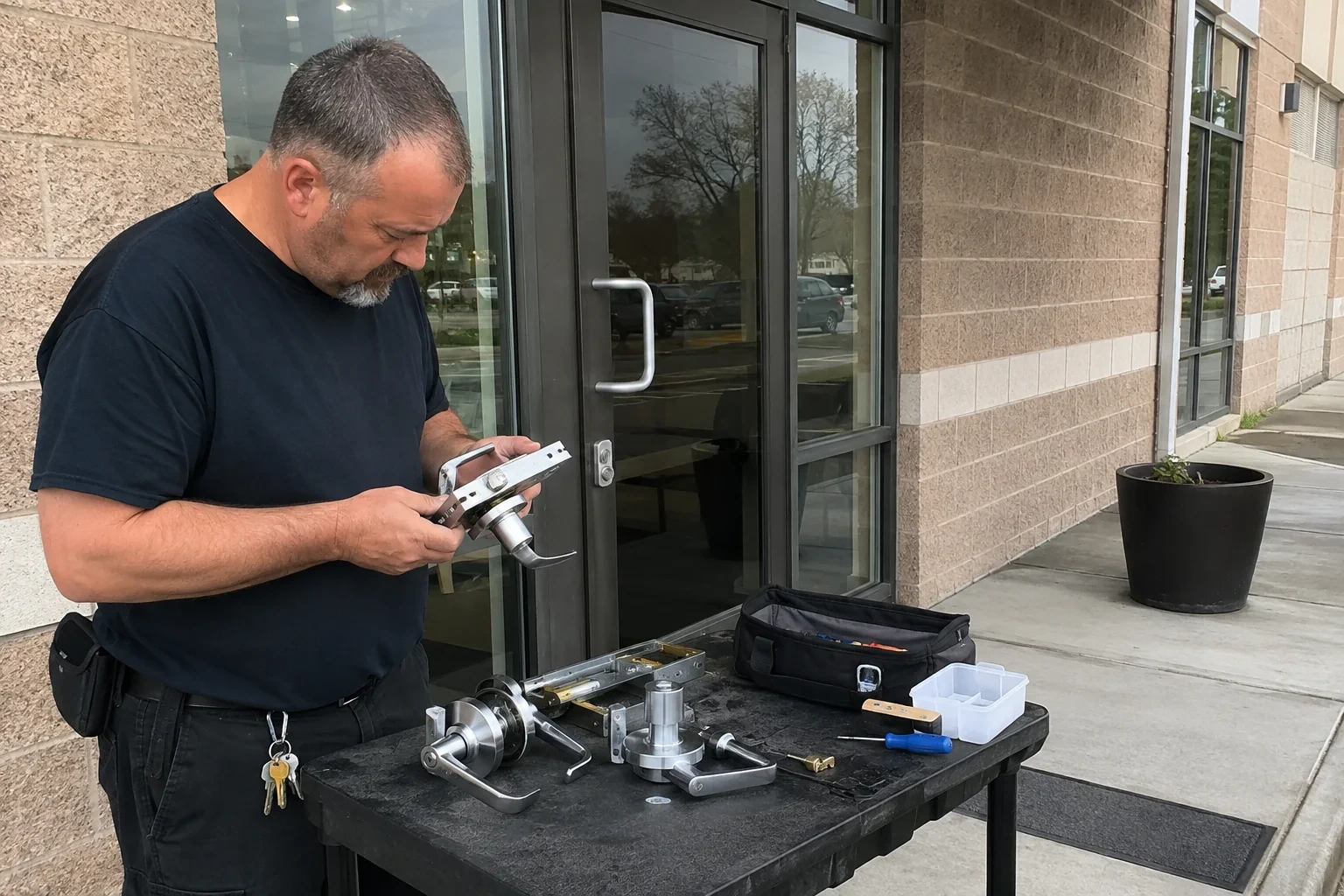
The street gate or shared building entry drags, slams without latching, or runs on a lock every past tenant still has a key to.
Clarify what is included
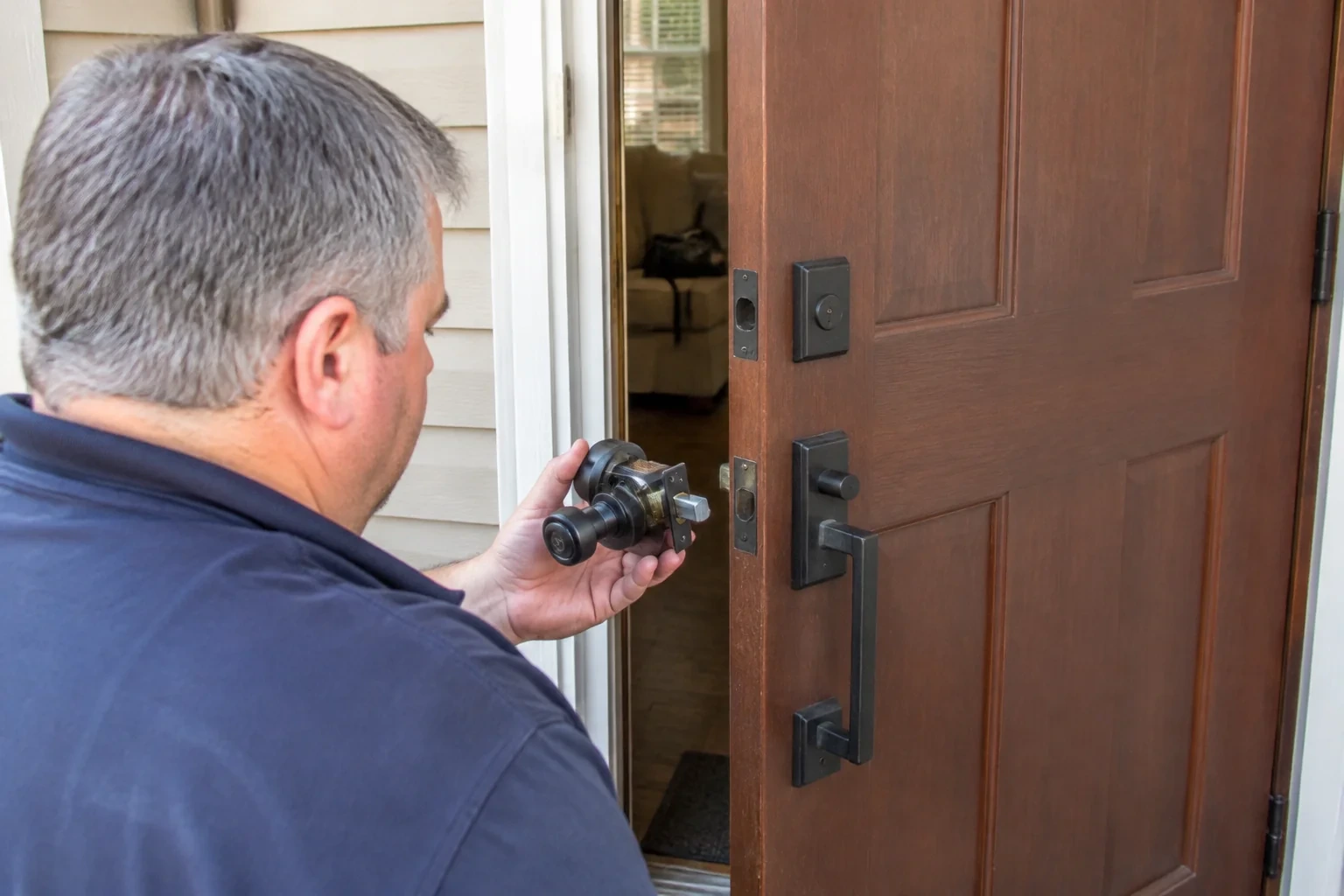
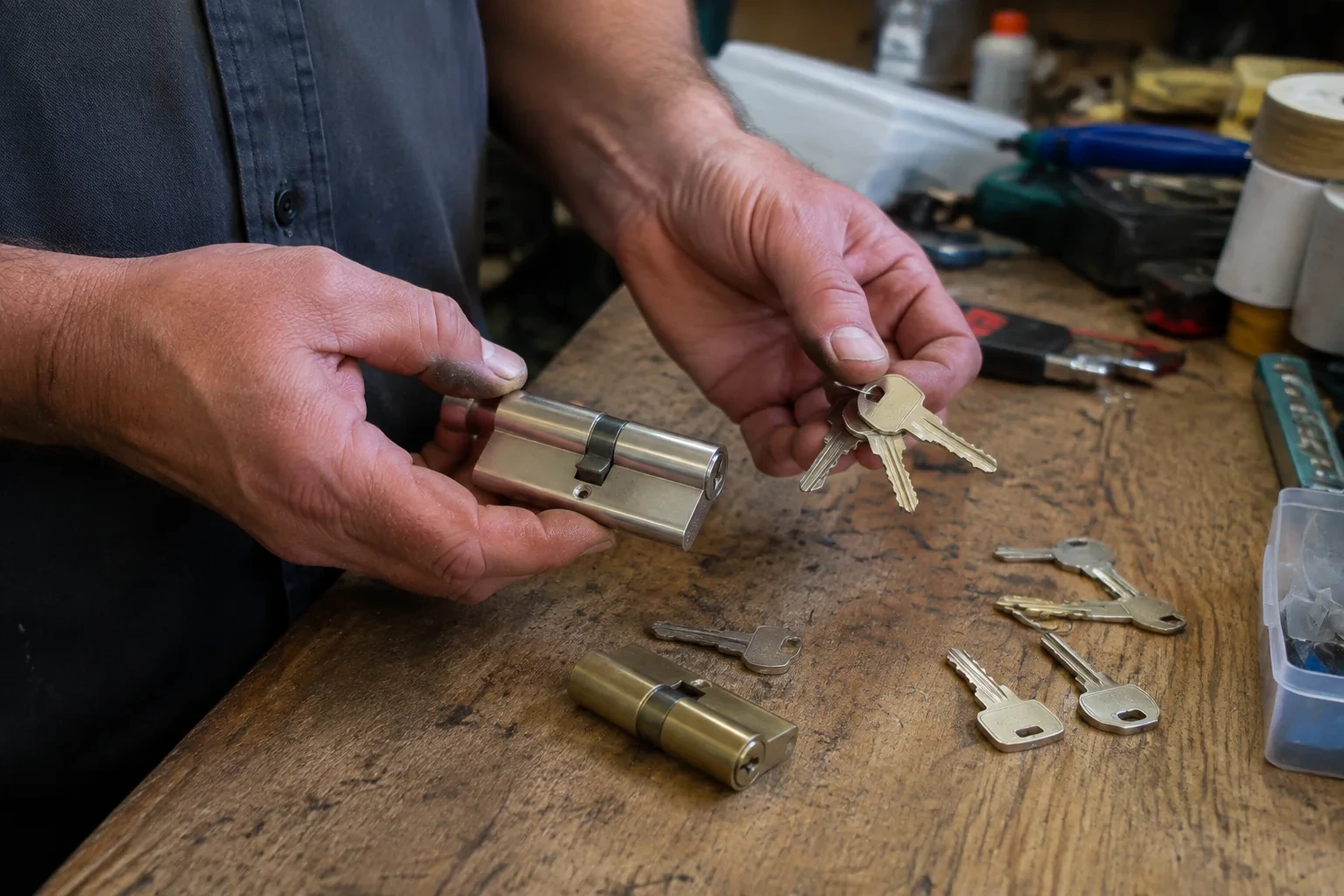
Discuss gate lock or latch, closer adjustment, weather-rated cylinder, keyed-alike cylinders, strike and keeper. Separate proposed replacement parts from materials, equipment used during the visit and any report you will receive. Confirm compatibility for proposed parts.
The proposed work
A gate or shared-entry assessment considers latch alignment, movement, closer operation and hardware exposure. Ask which components need service or replacement and whether the proposed lock is compatible with the existing key system. Coordinate the authorized keying arrangement with the property manager and affected occupants before changes are made.
Parts of the conversation
- gate lock or latch
- closer adjustment
- weather-rated cylinder
- keyed-alike cylinders
- strike and keeper
Condition, compatibility and the proposed method need to be checked before work begins.
TAKE A CLOSER LOOK
Understand the moving parts.
Around your home
Familiar spaces. Thoughtful care.
KNOW WHAT YOU ARE AGREEING TO
Before you approve the work.
Affected hardware +
List the gate or shared-entry lock, latch, closer and alignment issues included in the assessment.
Retained key system +
Ask which proposed components fit the existing key arrangement and which changes need property-manager coordination.
Operation and exclusions +
Confirm the gate-operation checks and any movement, exposure or structural issue outside the quoted work.
Questions from the homeowner’s side.
What does gate & building entry locks involve?
A gate or shared-entry assessment considers latch alignment, movement, closer operation and hardware exposure. Ask which components need service or replacement and whether the proposed lock is compatible with the existing key system. Coordinate the authorized keying arrangement with the property manager and affected occupants before changes are made.
What should the proposal say about parts, materials and equipment?
Discuss gate lock or latch, closer adjustment, weather-rated cylinder, keyed-alike cylinders, strike and keeper. Ask the provider to distinguish existing parts to inspect, proposed replacements, and tools, materials or reports included in the service. Request a reason for any replacement and confirm compatibility with your equipment. A list of possible items does not mean that every item must be supplied or replaced.
Do I need rekeying or a replacement lock?
Rekeying changes which key operates a compatible lock while keeping the main hardware. Replacement changes the hardware itself. Ask whether the current lock is in suitable condition, whether keys are missing and whether you want a different function or finish. Those details are more useful than choosing a service from the symptom alone.
What information should I have ready for a locksmith?
Describe the door or vehicle, the lock type if known, and whether the key is lost, broken or turning without opening. Have the information needed to establish authorization to access the property ready. For vehicle work, the make, model and year help identify compatibility; confirm the exact requirements with the provider.
Can a smart lock fit my existing door?
Compatibility depends on the door preparation, thickness, existing hardware and the product’s requirements. Ask whether the proposed lock fits the current holes, how it is powered and what access remains available if the battery or connection fails. A photograph can help a preliminary conversation, but installation fit still needs confirmation.
What belongs in a locksmith quote?
Ask what the visit includes, which parts are included, and whether opening, rekeying or replacement are separate items. The provider should explain any work that would change the original scope before proceeding. Keep the invoice and the details of the fitted hardware for future key or maintenance questions.
Why might a door still be difficult to lock after changing the cylinder?
The cylinder is only one part of the door assembly. Door alignment, the latch, strike plate and closer can affect operation. Explain whether the problem changes when the door is open or closed, without forcing the hardware, so the assessment can consider the door as well as the key mechanism.